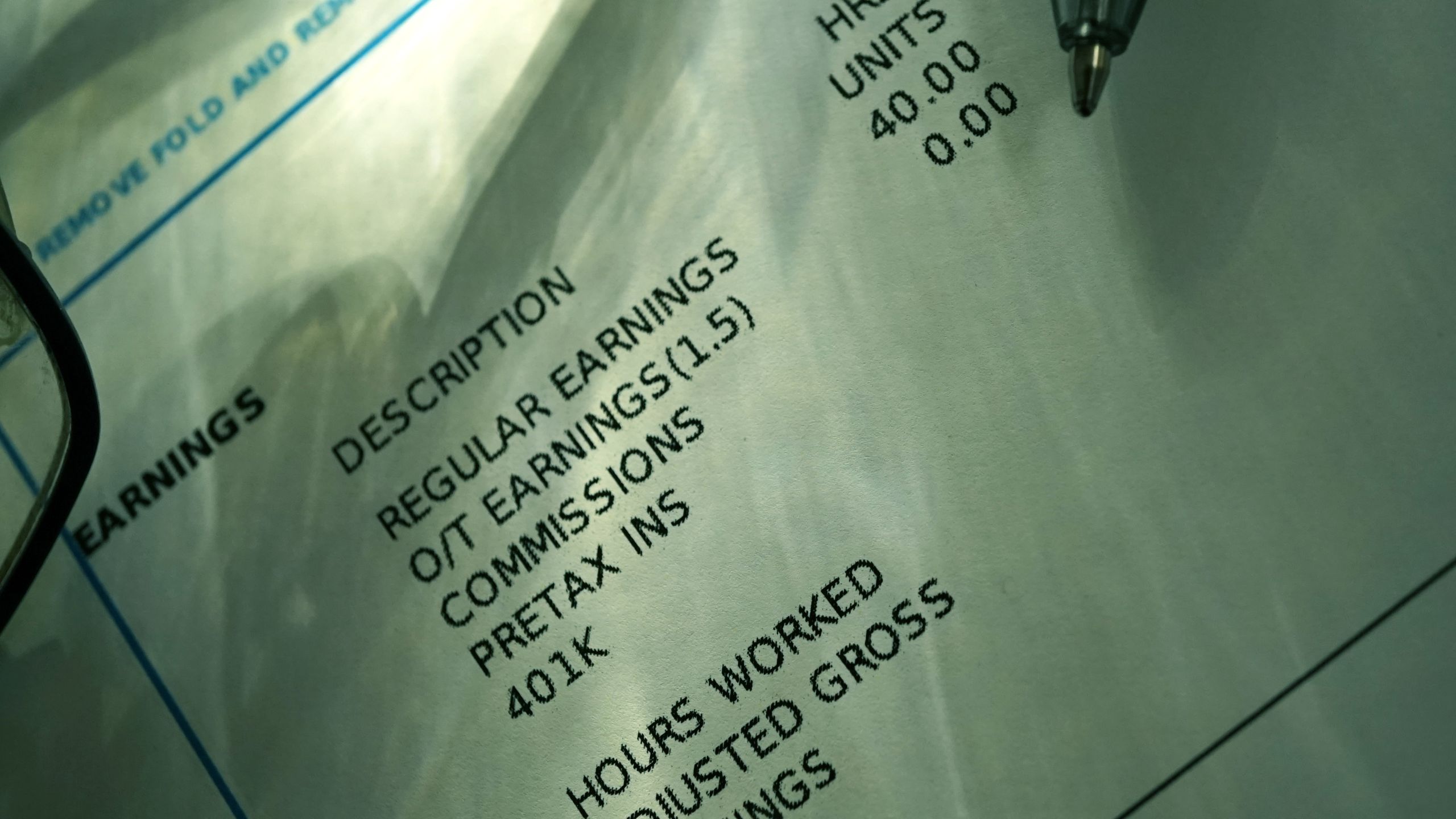
Payroll, employee benefits, and tax planning are often treated as separate administrative tasks: one vendor handles payroll, another manages benefits, and tax planning happens later by yet another vendor, often after the fiscal year end and under deadline pressure.
While this fragmented approach may be convenient, it often creates inefficiencies, missed tax savings, and unnecessary risk for business owners. In contrast, when these three areas are coordinated intentionally, they become powerful tools for improving cash flow, attracting talent, and building long-term enterprise value. Ensign Partners is a business consulting firm that specializes in providing integrated and coordinated planning across advisory disciplines, including legal, insurance, financial, and tax planning. By creating a unified plan in which all phases of your operation communicate and work in harmony, we help businesses plan, grow, and adapt to achieve a single vision that preserves and promotes business success and personal wealth. In many cases, we find that businesses who don't actively and intentionally coordinate advisory services miss out on important benefits that may be costing them and their personnel.
01 Why Payroll, Benefits, and Taxes Should Not Be Planned in Silos
Payroll, benefits, and taxes have a significant impact on a company's financial and operational health. Payroll is typically the largest recurring expense for most businesses; benefits are another significant employee expenditure and directly affect employee retention and satisfaction; finally, taxes determine how much of your hard-earned profit you actually get to keep. Because these areas are deeply interconnected, decisions made in one area almost always impact the others.
When these tasks are uncoordinated, common problems arise:
- Payroll structures that unnecessarily increase payroll taxes
- Benefits that are expensive but may be underutilized or not the right fit for your workforce
- Missed deductions and credits
- Compliance gaps that expose the business to penalties
- Cash flow strain caused by poor timing and forecasting
Integrated planning ensures these systems work together instead of competing with one another.
02 Structuring Payroll, Benefits, and Tax Planning Together
1. Structuring Payroll for Efficiency and Compliance
Payroll planning goes far beyond cutting checks and calculating deductions. How compensation is
structured affects tax exposure, retirement planning, and overall profitability. Key considerations
in structuring your payroll plan include:
- Owner compensation strategy, especially for S-corporations
- Balancing wages and distributions to reduce payroll tax exposure
- Timing of bonuses and incentive pay
- Aligning payroll with cash flow cycles
When payroll is coordinated with tax strategy, businesses can remain compliant while avoiding unnecessary tax burdens on employees.
2. Using Benefits Strategically, Not Just as a Cost
Employee benefits are often viewed as a fixed expense, but when designed properly, they can create
tax advantages for both the business and employees. Examples of mechanisms you can use to achieve
this include:
- Employer-sponsored retirement plans that reduce taxable income
- Health insurance strategies that maximize deductions
- Health Savings Accounts (HSAs) that offer triple tax advantages
- Fringe benefits that can be expensed and that attract talent without inflating payroll taxes
Without coordination, businesses may overpay for benefits or miss opportunities to structure them more efficiently.
3. Tax Planning Starts with Payroll and Benefits Decisions
Many tax strategies are only effective if payroll and benefits are aligned ahead of time. Waiting
until tax season limits your options and forces reactive decisions. Coordinated tax planning looks at:
- Payroll taxes and employer contributions
- Deductibility of benefits and incentives
- Timing of compensation and expense recognition
- Credits tied to employee benefits or workforce initiatives
When payroll and benefits are planned with tax strategy in mind, the result is greater predictability, fewer surprises, and lower tax liability.
03 Improving Cash Flow Through Coordination
One of the most overlooked benefits of integrated planning is improved cash flow. Payroll, benefits, and taxes all require regular cash outlays. When they're not aligned, businesses often experience avoidable strain. Integrated planning helps:
- Smooth cash flow by timing expenses strategically
- Reduce unexpected tax payments
- Avoid penalties and interest
- Improve forecasting accuracy
Efficiency isn't always about cutting outflows, especially when payroll and benefit expenses have a dramatic impact on employee retention and morale. Efficiency is about controlling the timing and risk of necessary and beneficial outflows.
04 Reducing Risk and Compliance Exposure
Compliance issues often arise when responsibilities are fragmented across vendors and advisors. Payroll errors, benefit compliance violations, and tax misreporting can all result in penalties, audits, or legal exposure. Coordinated planning ensures:
- Payroll systems match legal entity structures
- Benefits comply with tax and employment regulations
- Documentation supports deductions and credits
When advisors communicate instead of working independently, risk is minimized, accountability is centralized, and strategy is unified.
✓ The Ensign Advantage: One Plan, One Team
At Ensign Partners, payroll, benefits, and tax planning are not treated as isolated disparate functions of your organization. They are coordinated as part of a comprehensive strategy designed to support business growth and personal wealth.
Efficiency doesn't happen by accident; it's intentionally designed. When payroll, benefits, and tax planning work together, business owners gain clarity, control, and confidence. Contact Ensign Partners to schedule an interview and learn more about the Ensign Way to develop a complete and coordinated plan that creates a single vision for your business and your future.