Business formation and business succession are often treated as two separate chapters: one at the beginning, one far into the future. That may seem logical, but the reality is that most successful business owners plan for both at the same time. The decisions you make when forming your business directly shape how well it can grow, transfer, or exit years down the road, and how you plan your exit should guide how you operate and determine the metrics you want your business to achieve.
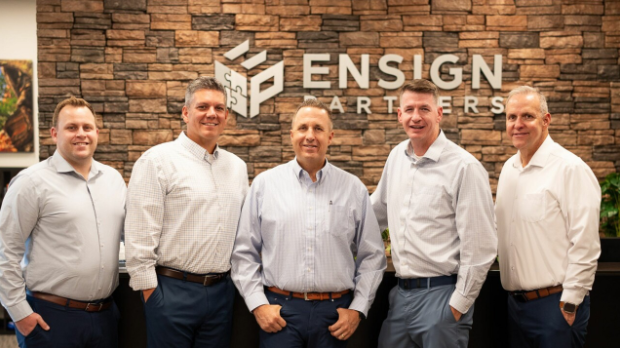
Ensign Partners is a business consultation firm that advises business owners and professionals regarding legal, insurance, finance, and tax issues. But unlike conventional advisors, the Ensign model integrates all of these disciplines into one cohesive strategy. When advisors work in isolation, they can ignore or overlook how decisions in one sphere can adversely impact another area. With integrated planning, your business is built not just to operate, but to endure and, eventually, transition — on your terms.
01 Why Formation Decisions Matter More Than You Think
When a business is formed, owners are often focused on speed and simplicity. Entity structure, ownership splits, and operating agreements are put in place quickly to get the doors open, because owners are more focused on engaging in the core business than the dryer, administrative side of running one. But these early decisions quietly influence everything that follows, including taxes, liability exposure, and succession flexibility.
Common formation mistakes include:
- Choosing an entity based solely on tax savings
- Failing to define ownership and decision-making clearly
- Ignoring future partners, investors, or heirs
- Overlooking exit and succession language altogether
Without integrated planning and thoughtful decision-making, formation decisions can create barriers that are expensive or maybe even impossible to unwind later.
02 Formation with Succession in Mind
An integrated approach views business formation as merely the first step in operating, one that should lead to succession planning, with the ultimate aim of providing the owners and their families a comfortable retirement. The goal is to create a structure that supports growth today while preserving optionality for the future. Key considerations include:
- Entity selection that balances tax efficiency, liability protection, and transferability
- Ownership design that anticipates future partners, family involvement, or key employees
- Operating or shareholder agreements that include buy-sell provisions, valuation methods, and transition triggers
- Insurance planning to fund ownership transitions if an unexpected event occurs
By addressing these elements early, business owners gain clarity and control rather than reacting under pressure later.
03 The Role of Tax Planning in Succession
Tax strategy plays a critical role in both formation and succession. How income flows through the business, how owners are compensated, and how value accumulates all affect eventual transition outcomes in terms of the financial benefits they provide. Integrated tax planning helps:
- Minimize taxes during growth years
- Preserve value during ownership transfers
- Avoid unnecessary tax exposure at exit
- Coordinate estate and gift strategies with business planning
Succession is not a single tax event; it’s the result of years of coordinated decisions designed to provide you maximum financial benefit while preserving flexibility.
04 Risk Management and Continuity Planning
Succession planning isn’t just about retirement or sale. Unfortunately, even the best plans can get derailed for myriad reasons. Succession planning not only addresses ideal scenarios, but also prepares for unexpected events such as death, disability, divorce of a principal, or disputes among owners. Integrated risk management will include:
- Key person and buy-sell insurance
- Legal agreements aligned with insurance ownership and beneficiaries
- Continuity plans that protect employees, clients, and cash flow
- Clear authority and decision-making protocols during transitions
Without coordination and addressing comprehensive risks, even well-intended plans can lead to problems at times when clarity is most needed.
05 Aligning Personal Wealth with Business Succession
For many owners, their business is their largest asset. Yet personal financial planning is often handled separately, creating misalignment between business value and personal goals. Integrated planning ensures:
- Business growth supports personal retirement objectives
- Liquidity is available when ownership transitions occur
- Estate plans align with business succession strategies
- Family dynamics are addressed proactively
Succession should enhance and protect personal wealth, not complicate it or, worse, diminish it.
06 The Ensign Approach: Build Once, Plan Always
Formation and succession involve legal, tax, insurance, and financial decisions that are deeply interconnected. When advisors operate independently, gaps and conflicts emerge. Those gaps often show up during audits, disputes, or transitions—when options are limited and stakes are high. But integrated planning replaces fragmentation with clarity:
- One strategy, not competing recommendations
- Advisors working from the same roadmap
- Decisions made with both short- and long-term consequences in mind
The best time to plan for succession is the moment your business begins. At Ensign Partners, we treat business formation and succession as part of one continuous strategy. Our integrated team works with business owners to design structures that support growth, protect value, and enable smooth transitions, whether planned years in advance or triggered unexpectedly. To learn more about our services or to schedule an initial interview, contact Ensign Partners today.
A well-designed business isn’t just successful. It’s transferable, resilient, and aligned with your life goals.
✓ The Bottom Line
Business formation and succession planning should be part of one continuous strategy. When legal, tax, insurance, and financial decisions are coordinated from the beginning, your business is better positioned to grow, protect value, and transition on your terms.